

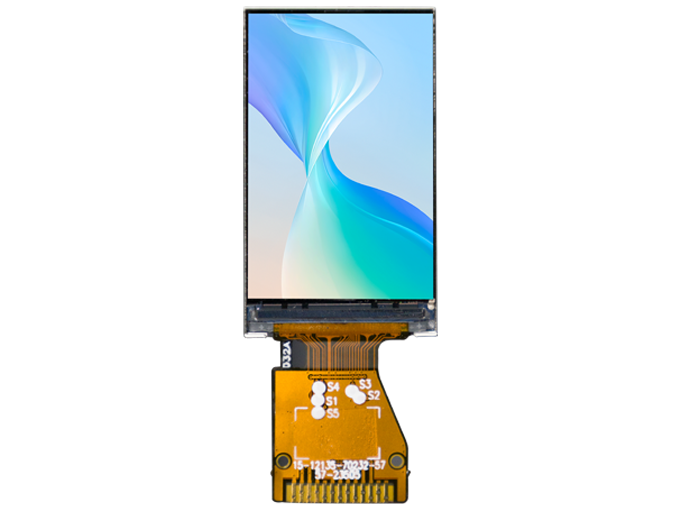
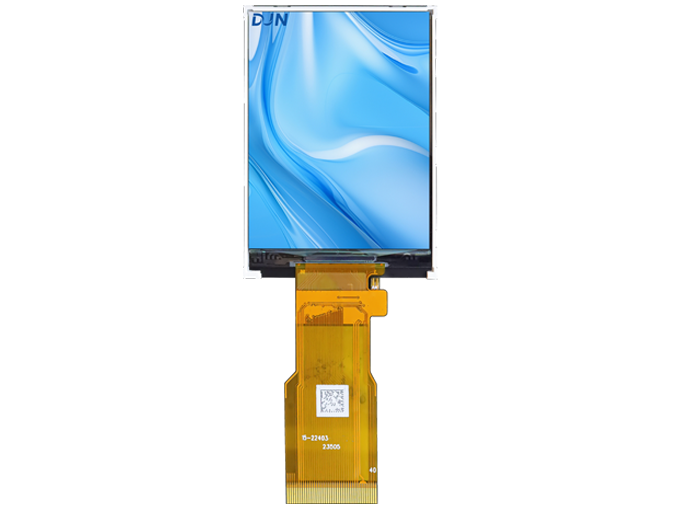
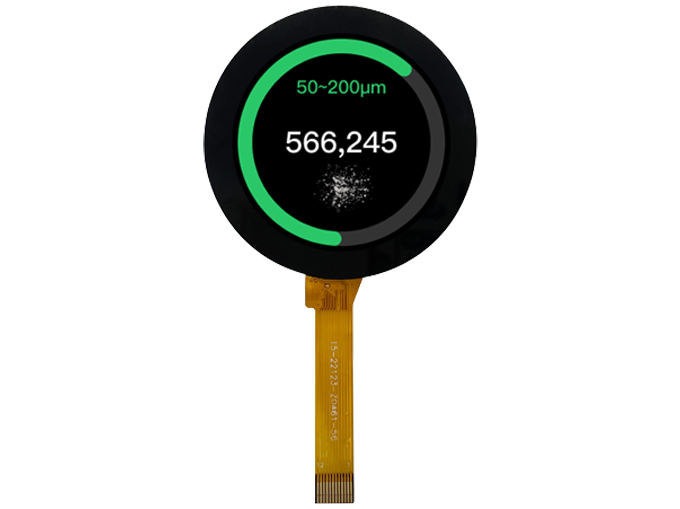
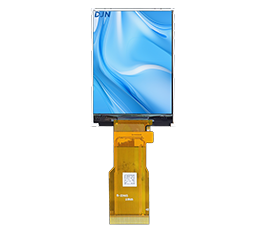

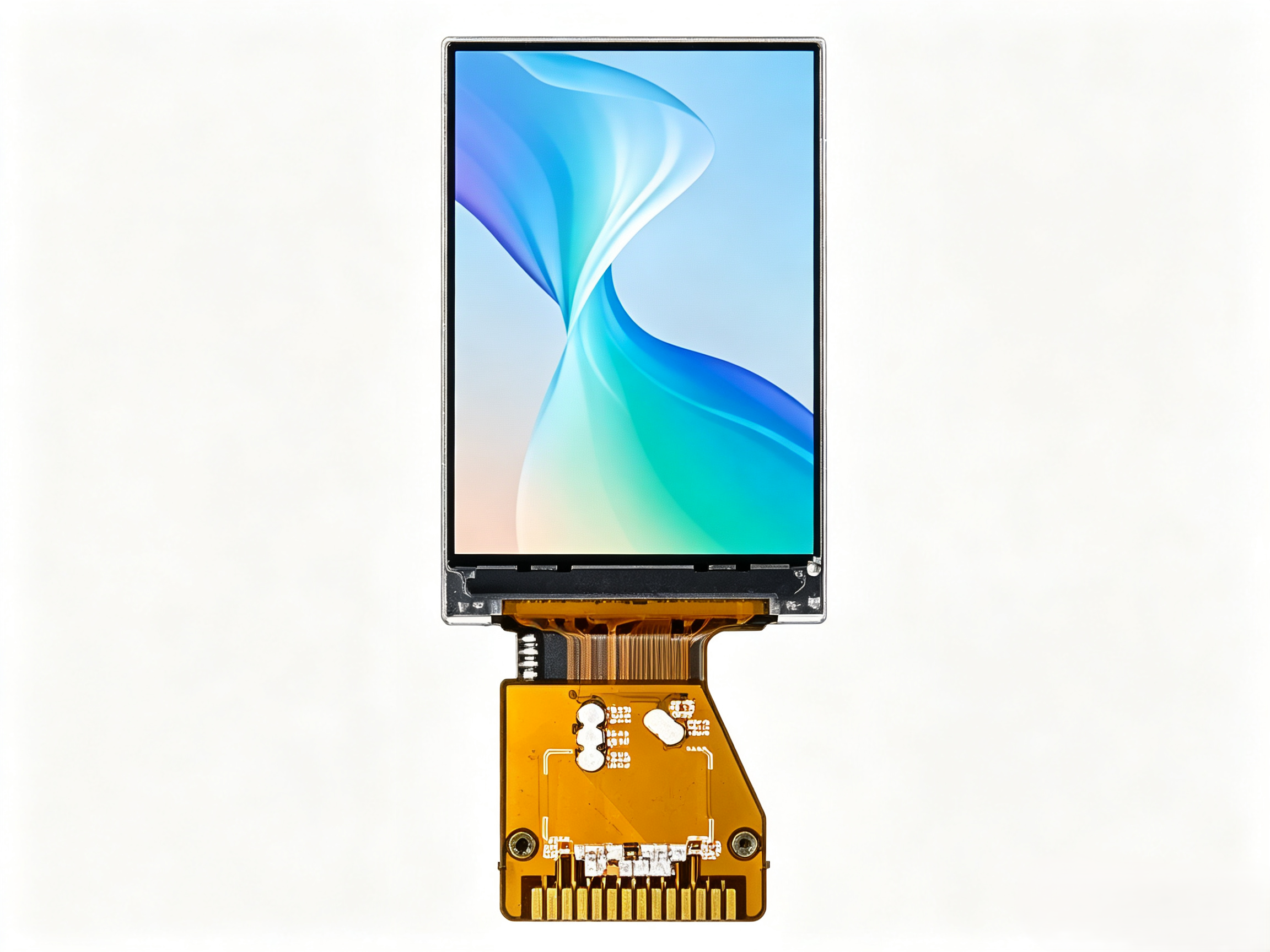
OLED modules feature a highly compact and lightweight structure, meeting the demands of applications with stringent space and weight constraints.

OLED displays provide virtually angle-independent viewing, ensuring consistent image clarity and color accuracy from any perspective, thereby significantly enhancing user experience.

Due to their self-emissive nature and efficient pixel control, OLEDs consume extremely low power when displaying black or dark content, enabling effective energy savings in practical applications.

OLED technology achieves high luminance levels and near-infinite contrast ratios, delivering vivid and detailed imagery with exceptional color depth and tonal gradation.

OLED pixels achieve an extremely fast response time, typically on the order of microseconds, effectively eliminating motion blur and ensuring smooth, fluid rendering for high-speed image and video playback.
OLED modules maintain stable performance across a broad temperature range, making them suitable for demanding industrial and outdoor operational environments.
Each pixel emits light independently without the need for a backlight.
A multilayer stacked architecture is employed, with the organic emissive layer sandwiched between the anode and cathode.
Under an applied electric field, electrons and holes recombine in the emissive layer to generate excitons, which undergo radiative decay to emit light.
The emission color is determined by the energy level difference, while the luminance is controlled by adjusting the current density.
Driven independently via thin-film transistors (TFTs), enabling pixel-level true black display.






 English
  中文
中文  日本語
日本語  한국어
한국어  français
  Deutsch
  Español
  italiano
  русский
  Türkçe
  português
  Indonesia