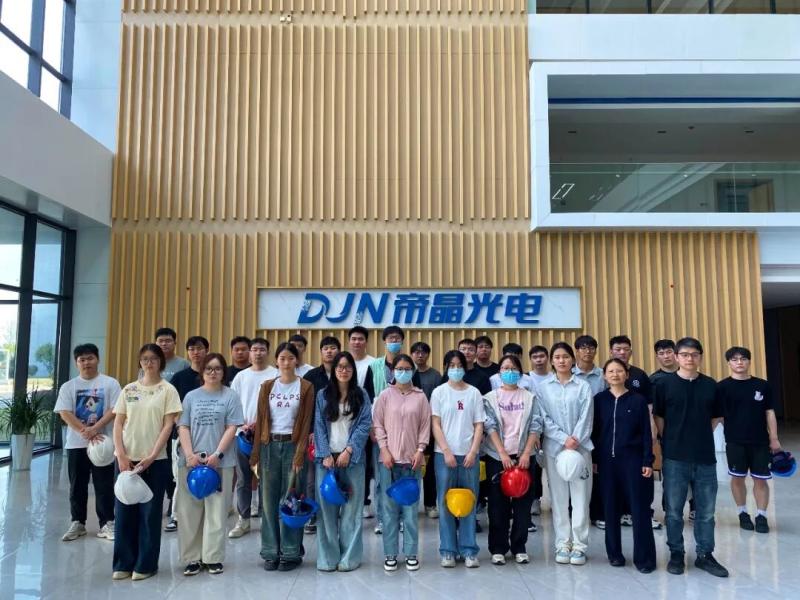
On May 11, 2026, faculty and students from the Materials and Chemical Engineering program at Bengbu University visited Anhui DJN Optronics Technology Co.,Ltd for an introductory industry-based learning program. The visit aimed to deepen university-enterprise collaboration in talent development, strengthen the connection between academic training and industry practice, and give students first-hand exposure to the latest developments in the optoelectronics sector.
Through a series of activities, including a corporate showroom tour, technical presentations, and an on-site production area visit, students gained a deeper understanding of optoelectronic manufacturing and built a stronger connection between classroom theory and real-world industrial practice.
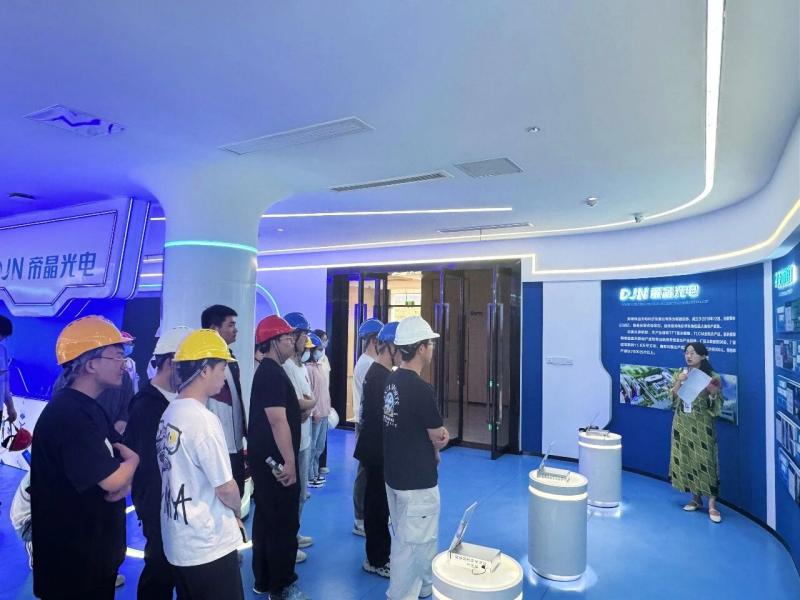
At the company showroom, administrative representatives from DJN Optronics accompanied the students throughout the visit and introduced the company's development history, product portfolio, application fields, and key partners.
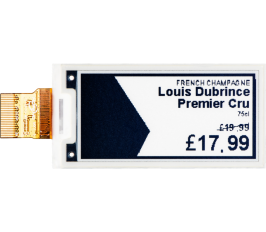
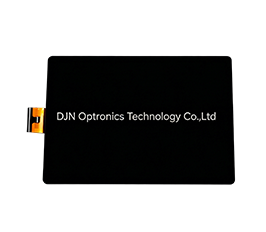
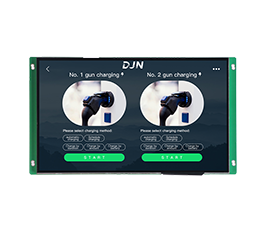
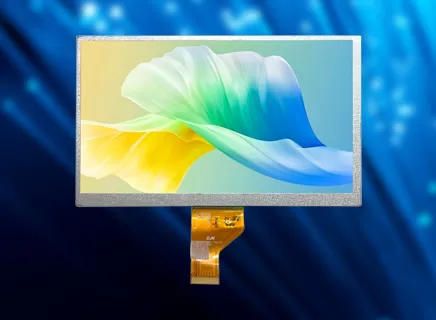
Students learned about a range of products developed by the company, including fully laminated touch-integrated display modules, TFT display modules, CTP capacitive touch panels, and LCD thinning and coating solutions. From the company's early product iterations to its current technological breakthroughs in the new display industry, and from the application scenarios of its core products to its influence within the sector, the rich display of physical exhibits and vivid explanations helped students move beyond textbook knowledge. The visit gave them an intuitive and comprehensive understanding of the display industry's development trajectory and the company's technical capabilities.
After the showroom tour, the group moved to the conference room for a corporate introduction and technical process presentations. A representative from DJN Optronics' Human Resources Department first introduced the company, covering its corporate culture, organizational structure, talent development system, and career development platform. This session helped students gain a clearer understanding of the company's talent philosophy and potential career paths.
Following this, technical specialists from the company delivered professional presentations focusing on two key areas: LCM manufacturing processes and e-paper technology. Drawing on the latest industry trends, they explained the technical principles, production workflows, key technical challenges, and real-world application scenarios in a clear and accessible way.
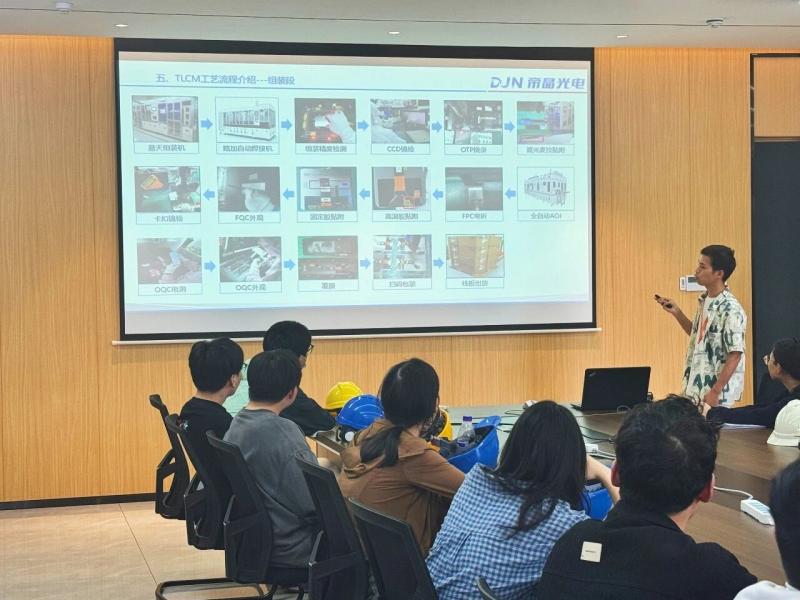
By combining their extensive industry experience with the theoretical knowledge students had learned in their materials-related courses, the speakers closely connected academic concepts with practical manufacturing applications. The presentations not only addressed students' questions about how their major is applied in industry, but also helped them better appreciate the core value of materials science in the new display sector.
During the session, students listened attentively and actively reflected on the content. After the presentations, many students engaged in further discussions with the speakers on professional and technical topics, creating a strong learning atmosphere.
After the presentations, students were guided by staff members to visit the production area in an orderly manner. Before entering the workshop, staff briefed the group on safety management requirements and guided everyone into the production area according to the relevant procedures.
During the visit, staff introduced the production environment and explained the standardized manufacturing processes, quality control system, and supporting facilities, including the corporate culture walls along the corridors, changing rooms, and workshop office areas. This allowed students to experience up close the company's rigorous and standardized production management model, refined on-site management, and strong safety culture.
Seeing the automated production equipment and orderly production lines in operation gave students a more concrete understanding of how materials processing technologies are transformed from theory into practice. It also encouraged them to think more deeply about how their future professional studies can be connected with real industry applications.
The entire visit was well organized, and the faculty and students highly praised DJN Optronics for its professional reception arrangements and patient explanations. The successful completion of this introductory industry visit not only provided Bengbu University students with a valuable bridge between theory and practice, helping them connect their classroom knowledge in materials science with real industrial applications, but also laid a solid foundation for deeper cooperation between the university and the company.
Looking ahead, DJN Optronics will continue to uphold the principle of openness and shared development, further strengthening exchanges and cooperation with universities. By building more collaborative platforms for university-enterprise talent development through internships, practical training, technical exchanges, and joint talent cultivation programs, the company will support universities in cultivating more high-quality, application-oriented professionals with both solid theoretical foundations and practical innovation capabilities, injecting a continuous stream of new talent into the high-quality development of the new display industry.


 English
  中文
中文  日本語
日本語  한국어
한국어  français
  Deutsch
  Español
  italiano
  русский
  Türkçe
  português
  Indonesia